

Country
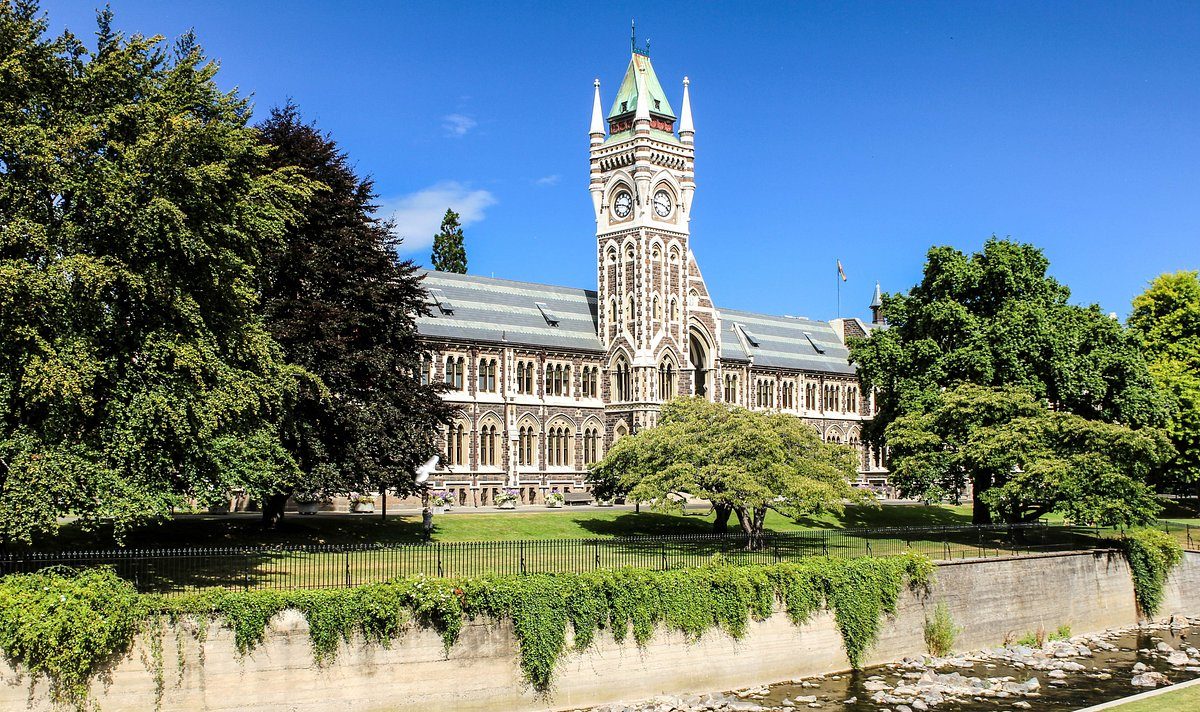

Study in New Zealand
Dreaming of studying in New Zealand?
Studying in New Zealand offers a combination of high-quality education, a safe and welcoming environment, an excellent standard of living, and unique cultural and recreational experiences. Whether you're looking for a strong academic foundation, personal growth, or adventure, New Zealand provides the perfect blend of opportunities for a transformative study abroad experience.
Indian students in New Zealand often pursue programs in areas such as engineering, IT, business, health sciences, and hospitality.
Why Study in New Zealand ?
Studying abroad in New Zealand offers numerous benefits that make it an attractive option for students seeking quality education and a unique life experience.
- High-Quality Education from top ranked universities
- Affordability: New Zealand has relatively lower tuition fees, making it a cost-effective choice.
- Diverse and Welcoming Culture: The Maori culture is an integral part of New Zealand’s identity. Students have the opportunity to learn about and experience unique cultural practices and traditions, adding a rich, educational layer to their time abroad.
- Beautiful Natural Environment: it a perfect fit with Stunning Landscapes and Eco-Friendly Lifestyle
- Safe and Peaceful Country: Low Crime Rates and low cost of living (compared to many Western countries)
- Work Opportunities: Part-Time Work during studies and also Post-Study Work Visa giving the student time to apply their skills and experience in the job market.
- Global Recognition: Degrees from New Zealand universities are internationally recognized and respected, making graduates competitive in the global job market.
- Collaborative Environment: Collaborative Environment: New Zealand’s universities often have partnerships with other institutions worldwide, offering students opportunities to engage in exchange programs and collaborative research.
- Festivals and Events: New Zealand hosts a variety of cultural and music festivals, film events, and sports competitions, providing students with opportunities to engage with local communities and enjoy their time outside of academic commitments.
Educational System
- Early Childhood Education (ECE): Typically for children aged 0 to 5 years. Institutions Include kindergartens, playcentres, early childhood centers, home-based care, and education, and hospital-based services.
- Primary Education: Typically for children aged 5 to 12 years (1 to 8 Year). It is divided into Junior Primary (Years 1–4) and Senior Primary (Years 5–8)
- Secondary Education: Typically for students aged 13 to 18 years (Years 9 to 13). Also divided into Junior Secondary (Years 9–10) and Senior Secondary (Years 11–13)
- Tertiary Education: UG degrees typically last 3 years and PG Degrees which Include Postgraduate Diplomas, Master’s, and Doctoral degrees last 1, 2 and 3 years respectively. Institutions that are rooted in Māori culture and offer courses that integrate indigenous knowledge and perspectives ( Wānanga)
Key Features of the Education System
- Student-Centered Learning: The system focuses on fostering critical thinking, creativity, and problem-solving skills.
- Teacher Autonomy: Teachers have significant autonomy in how they teach, which can lead to innovative teaching methods and a more personalized approach to learning.
- Focus on Well-Being: Student well-being is a priority, with an emphasis on balancing academic work with extracurricular activities, sports, and social life.
- Integration of Technology: Schools and universities incorporate modern technology into learning, preparing students for the digital world.
Popular Fields of Study
- Engineering and Technology: New Zealand has a strong focus on innovation and technology Popular Programs: Civil engineering, mechanical engineering, electrical engineering, software engineering, and renewable energy technology.
- Business and Management: Business studies are popular due to the country’s strong economy and entrepreneurial spirit. Popular Programs include Business administration, marketing, finance, international business, and entrepreneurship.
- Information Technology (IT) and Computer Science: The tech sector in New Zealand has been rapidly growing, creating a strong demand for IT professionals. Popular Programs include Computer science, data science, software development, cybersecurity, and artificial intelligence.
- Health Sciences and Medicine: New Zealand’s healthcare system is robust, and the demand for healthcare professionals remains strong. Programs include Medicine, nursing, public health, pharmacy, and physiotherapy.
- Agriculture and Environmental Studies: New Zealand’s economy is heavily reliant on agriculture, dairy farming, and sustainable environmental practices. Popular Programs include Agriculture, environmental science, agribusiness, and food technology.
- Arts and Humanities: Students interested in creative expression, culture, and human society find these fields particularly appealing. Popular Programs include Film and media studies, music, visual arts, theatre, and cultural studies.
- Law: New Zealand’s legal education is known for its practical training and strong reputation. Popular Programs include Bachelor of Laws (LLB), Master of Laws (LLM), and specialized programs in environmental law, human rights law, and business law.
- Media and Communications: With a growing demand for skilled professionals in journalism, broadcasting, and media management.
- Social Work and Psychology: Reflecting the country’s emphasis on mental health, well-being, and community services.
- Architecture and Design: As New Zealand grows and develops, architecture and sustainable design programs are becoming more popular.
Top Universities in New Zealand
New Zealand is home to several world-class universities that attract international students from all over the globe.
- University of Auckland
- University of Otago
- University of Canterbury
- Victoria University of Wellington
- Auckland University of Technology (AUT)
- Massey University
- Lincoln University
Scholarships for International Students
- New Zealand International Scholarships (NZIS): Funded by the New Zealand government designed to help international students from developing countries
- International Student Excellence Scholarship: For UG and PG students with exceptional academic records. It offers a partial tuition fee reduction.
- Sir Edmund Hillary Scholarship: For high-achieving international students who show leadership potential.
- Otago Foreign Fee Paying Scholarship: For international students paying full tuition fees.
- Victoria Doctoral Scholarship: For international students pursuing a PhD at Victoria University.
- UC International First Year Scholarship: For high-achieving international students beginning their studies at the UG level.
- UC International College Scholarship: For students at the UC International College who meet specific academic criteria.
- AUT International Excellence Scholarship: Designed to support international students who have shown outstanding academic achievement.
- Massey University International Merit Scholarships: For undergraduate and postgraduate students with strong academic performance.
- Massey University Research Scholarships: For students pursuing research-based postgraduate programs.
- Lincoln University International Taught Master’s Scholarship: For international students enrolling in a taught master’s program.
- International Undergraduate Scholarships: Partial scholarships for international undergraduates.
- New Zealand Development Scholarships (NZDS): For students from developing countries who wish to study in areas that are essential for their home country’s development. These scholarships are awarded by the New Zealand government.
- Commonwealth Scholarships: Available to students from Commonwealth countries for postgraduate study, including in New Zealand.
- Chevening Scholarships: While this is a UK-based scholarship, some students from New Zealand may apply for related opportunities or exchange programs.
- Private and Non-Governmental Scholarships: Organizations like the Rotary Club and other international organizations may offer scholarships for New Zealand study.
Intake Periods in New Zealand
| Intake Periods | Application Deadline |
|---|---|
| February/March (First Semester) | October and December of the previous year |
| July (Second Semester) | March- May |
| November/December (Summer School or Special Intakes) | Varies based on Institution |
General Admission Requirements
- Academic Qualifications: Mark sheets with satisfactory grade point averages (GPA). For master’s or doctoral programs, students usually need to have a relevant bachelor’s degree or equivalent qualification. Entry to postgraduate programs is often competitive, and a strong academic record, relevant work experience, or research background may be required.
- Proof of English Skills: IELTS (6.0–6.5), TOEFL (80- 100) PTE (50–58), Cambridge English Qualifications (170–180)
Estimated Monthly Budget for International Students
Cost of living as an international student in New Zealand can range from NZD 1,500 to NZD 2,500, depending on lifestyle, location, and spending habits.
- Accommodation: NZD 600 to NZD 1,200
- Food and Groceries: NZD 200 to NZD 400
- Transportation: NZD 100 to NZD 300
- Utilities and Internet: NZD 50 to NZD 100
- Entertainment and Leisure: NZD 100 to NZD 300
- Miscellaneous: NZD 100 to NZD 200
Top Industries for International Graduates in New Zealand
- Information Technology (IT) and Software Development: The demand for IT professionals is strong, especially in areas such as software engineering, cybersecurity, and data analytics.
- Engineering: Engineering is a vital sector in New Zealand’s economy, with significant opportunities in civil, mechanical, electrical, and environmental engineering.
- Healthcare and Medical Services: There is a strong need for medical professionals, including doctors, nurses, allied health workers, and healthcare administrators.
- Agriculture and Agribusiness: Job Opportunities include Farm managers, agricultural scientists, horticulturists, animal health specialists, and agribusiness managers.
- Construction and Building: Construction project managers, site engineers, quantity surveyors, architects, and urban planners are in high demand
- Finance and Business Services: There are Job Opportunities as Financial analysts, accountants, auditors, financial planners, and business consultants.
- Creative Industries: New Zealand has a vibrant creative sector, which includes media, film, arts, and design. Skilled graduates are easily employed as Film and TV production staff, graphic designers, animators, content creators, and marketing professionals