

Country
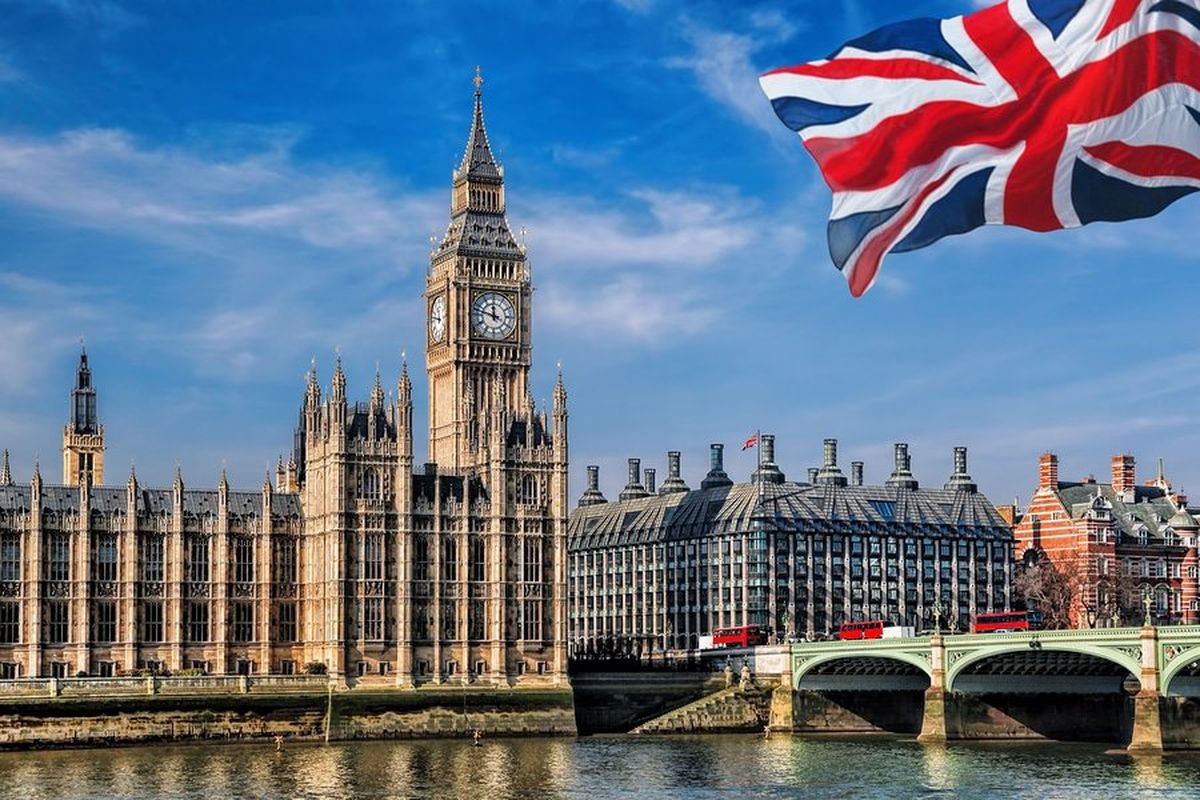


Study in the UK : Are you considering studying abroad?
Get Started Today!
Studying abroad in the UK offers endless opportunities for personal growth, academic success, and professional development. With its world-class education system, diverse culture, and extensive support for international students, the UK is the ideal destination for your higher education journey.
According to recent data from the UK Council for International Student Affairs (UKCISA) and the UK Home Office, the number of Indian students in the UK has been growing steadily in recent years. Approximately 95,000 Indian students were enrolled in higher education in the UK in the 2022/23 academic year. This represents an increase of 20% compared to the previous year.
Why Study in the UK ?
Studying abroad in the UK offers numerous benefits that make it a popular choice among international students.
- High-Quality Education: World-class Universities with accredited and recognised degrees and a strong focus on research and innovations
- Shorter Course Duration: UK master’s programs are typically completed in just one year, compared to the two-year programs in some other countries.
- Cultural Diversity: Universities in the UK attract students from all corners of the globe, creating a global network that can be valuable both personally and professionally.
- Wide Range of Programs and Courses: The UK provides a flexible and vast range of courses across various fields, from arts and humanities to business, engineering, healthcare, and technology.
- Strong Focus on Employability: Many UK universities integrate work placements, internships, and practical experiences into their programs, providing students with valuable hands-on experience and enhancing their employability.
- Part-Time Work: Can work part-time during their studies, helping to offset living expenses and 2 years after completing their studies, providing a great opportunity to gain work experience.
- Language Advantage: Being immersed in a native English environment provides a unique learning experience and helps students become fluent which is beneficial both academically and professionally.
Educational System
The educational system in the United Kingdom (UK) is divided into several stages, each with its own structure, age range, and level of education.
- Early Years Education: Also known as Pre-School (0–5 years old) however, this stage is not compulsory, but most children attend some form of early education
- Primary Education: 5–11 years old. The curriculum is broad, and children are assessed through national tests (SATs) at the end of Key Stage 1 and Key Stage 2.
- Secondary Education: Age: 11–16 years old. At this stage, students study a range of core and optional subjects.
- Post-16 Education (Further Education): Age: 16–18 years old
- Higher Education: Age: 18+ years old. The main qualification is a Bachelor’s Degree, typically taking 3 years to complete (4 years in Scotland). Other qualifications include Higher National Diplomas (HNDs) or Foundation Degrees.
- Postgraduate Education: After completing a Bachelor’s degree, students can pursue further qualifications such as a Master’s degree, Doctorate (PhD), or professional qualifications in various fields.
Scholarships and Financial Aid
International students can access a range of scholarships to help fund their studies. Some of the most popular scholarships include:
- Chevening Scholarships: Fully-funded scholarships for postgraduate students from selected countries.
- Commonwealth Scholarships: Funded by the UK government for students from Commonwealth countries.
- University-specific Scholarships: Many UK universities offer merit-based scholarships for international students, ranging from partial fee waivers to full scholarships.
- Departmental Scholarships: Some departments (e.g., business, law, engineering) offer specific scholarships for international students.
Popular Courses for International Students
- Business & Management: MBA programs, Finance, Marketing, Entrepreneurship
- Engineering & Technology: Mechanical, Civil, Computer Science, Artificial Intelligence
- Health & Medicine: Medicine, Dentistry, Nursing, Public Health
- Law: LLB, International Law, Human Rights Law
- Arts & Humanities: Literature, History, Philosophy, Languages
- Social Sciences: Psychology, Sociology, Politics, International Relations
- Creative Arts: Fine Arts, Design, Fashion, Media, Music
Top UK Universities for International Students
- University of Oxford: One of the oldest and most prestigious universities in the world.
- University of Cambridge: Known for its excellent teaching, research, and a unique collegiate system.
- London School of Economics and Political Science (LSE): A global leader in social sciences and economics.
- Imperial College London: Renowned for its engineering, science, and business programs.
- University College London (UCL): Offers a diverse and innovative academic environment with numerous international student support services.
Popular Industries for International Graduates
Certain industries in the UK are particularly receptive to hiring international graduates due to their demand for specialized skills and global talent:
- Information Technology (IT): The UK’s tech industry is growing, with cities like London, Manchester, and Birmingham being hubs for technology companies. There’s a high demand for skilled IT professionals, especially in software development and cybersecurity.
- Healthcare: The National Health Service (NHS) and private healthcare providers are always in need of qualified healthcare professionals. The demand for roles such as nurses and physiotherapists has been especially high.
- Engineering: Engineering remains a strong sector in the UK due to major infrastructure projects, renewable energy initiatives, and advanced manufacturing. The demand is high for qualified engineers across various disciplines.
- Finance and Accounting: The UK, particularly London, is one of the world’s major financial centers, offering extensive opportunities in finance, banking, and investment sectors.
- Marketing and Digital Media: With the rise of digital marketing, the UK’s job market has seen an increased demand for professionals who can develop marketing strategies and manage digital campaigns.
- Education: The UK education system offers ample opportunities for qualified educators, particularly those with expertise in STEM subjects, languages, and special education.
- Creative Industries: The UK has a strong creative industry, particularly in London, which is known for its arts, media, and publishing sectors. The creative industry offers diverse opportunities for graduates with relevant skills.
Top Cities for International Graduates to Find Jobs
- London: The capital city is a hub for finance, IT, creative industries, and a range of professional services. It offers the most job opportunities but comes with a higher cost of living.
- Manchester: Known for its tech industry, media, and creative sectors. It is also a growing center for finance and business.
- Birmingham: Offers opportunities in engineering, manufacturing, and finance. It is the second-largest city in the UK and has a vibrant job market.
- Edinburgh and Glasgow: Great options for those looking for finance, tech, and creative industry jobs, with a lower cost of living compared to London.
- Leeds: A growing hub for finance, digital sectors, and business services.
Admission Requirements for International Students in the UK
- Transcripts of your previous academic qualifications (translated into English if necessary). Some Doctoral Programs (PhD) may accept applicants with only an undergraduate degree, particularly in fields like science or engineering, where research experience is important.
- Proof of English language proficiency (e.g., IELTS, TOEFL score).
- Additional Tests and Portfolios: Certain programs may require additional assessments such as: BMAT or UKCAT for medical degrees, LNAT for law courses, GRE or GMAT for business or postgraduate programs.
- Portfolio or Audition for courses in the arts, design, or music.
- Interviews: Some courses, particularly in fields such as law, medicine, and arts, may require an interview as part of the admission process.
- Personal statement/statement of purpose: An essay explaining why you want to study the course and why you are a suitable candidate.
- Letters of recommendation (usually from your teachers, professors, or employers).
- Curriculum Vitae (CV) or Resume (especially for postgraduate courses).
- Portfolio/Audition/Tests (for creative courses).
- Research Proposal (for postgraduate research or PhD programs).
Intake Periods
| Intake Periods | Primary Courses | Application Deadline |
|---|---|---|
| September (Autumn) | UG | UCAS Deadline: 15th Oct. |
| PG | May-August | |
| January (Spring) | PG | October–December |
| Some UG programs | Limited courses available | |
| May/ June (Summer) | Limited PG programs | February-April |
Cost of Living in UK
Tuition Fees
Tuition fees in the UK vary depending on the university and course you choose. Here’s an approximate guide:
- Undergraduate Programs: £10,000 to £38,000 per year.
- Arts and Humanities: £10,000–£22,000 per year.
- Engineering and Technology: £15,000–£30,000 per year.
- Medicine and Dentistry: £20,000–£38,000 per year (depending on the university).
- Postgraduate Programs: £11,000 to £50,000 per year.
- Master’s programs: £11,000–£30,000 (depending on the subject).
- MBA programs: £25,000–£50,000 (depending on the institution).\
| Expense Category | Estimated Cost (per month) |
|---|---|
| Accommodation | £700 – £1,500 |
| Food | £150 – £250 |
| Transportation | £50 – £150 |
| Utilities and Internet | £50 – £100 |
| Personal Expenses | £100 – £200 |
| Total (Low-end estimate) | £1,050 – £2,200 |
| Total (High-end estimate) | £2,000 – £3,000 |